REVIEW · CINQUE TERRE
Manarola: Authentic Pesto Making Class at Cinque Terre
Book on GetYourGuide →Operated by Timonfaya Travel Lanzarote · Bookable on GetYourGuide
Manarola pesto in 60 minutes hits the right note. You get hands-on instruction for traditional Ligurian pesto, using a marble mortar the old-school way, then you eat what you make with focaccia and local wine. I love that the class connects technique to local ingredients, not just steps on a screen, and I also like the small-group vibe that keeps it relaxed and question-friendly. One possible drawback: it’s a short class with tastings, not a full meal, so plan to eat dinner elsewhere.
If you’re staying in Cinque Terre, this is a friendly break from train-hopping and long menus. You’ll meet your host at Laboratorio A Pié de Campu and learn from an English/Italian guide (many classes are hosted by Yvonne), who explains the origins of pesto and what each ingredient brings to the sauce. You’ll also want to tell them about dietary restrictions ahead of time, since they’re working with real food choices that may affect how they guide you.
This is also one of the better-value cooking classes in the area if you care about doing things correctly. At $98 per person, you’re paying for a tight 1-hour format, a local instructor, and included tastings plus a recipe you can actually use later. The main catch is simple: transfer isn’t included, so you’ll need to get yourself to Manarola’s church-square area.
In This Review
- Key things to know before you go
- Entering Manarola Through Food, Not a Checklist
- The Marble Mortar Lesson: What You’re Really Learning
- What Happens During the Class (And Why the Pacing Works)
- The Tasting Table: Focaccia, Wine, and Pesto That Ends the Lesson
- Meeting Point in Manarola: Church Square to Laboratorio A Pié de Campu
- Price and Value: Is $98 Fair for a 1-Hour Class?
- Who This Pesto Class Suits Best (And Who Should Rethink It)
- Practical Tips That Make the Class Go Smooth
- Should You Book This Manarola Pesto Making Class?
- FAQ
- How long is the Manarola pesto making class?
- Where do I meet the host in Manarola?
- Is transportation included?
- How big is the group?
- What languages are spoken during the class?
- What’s included in the price?
- Can I cancel for a refund?
- Do I need to tell them about dietary restrictions?
- Should You Book This Manarola Pesto Making Class?
Key things to know before you go
- Marble mortar technique: You’ll make pesto using the traditional tool and method, not a shortcut.
- Liguria-focused ingredients: Basil and pine nuts are part of the core lesson, with the why behind the choices.
- Hands-on, then taste right away: You’ll eat the pesto you prepared, paired with focaccia and wine.
- Small group (max 10): The format stays conversational and easy to follow.
- Take-home recipe: You leave with something practical, not just a full stomach.
- No transfer: You’ll handle getting to the meeting point in Manarola.
Entering Manarola Through Food, Not a Checklist
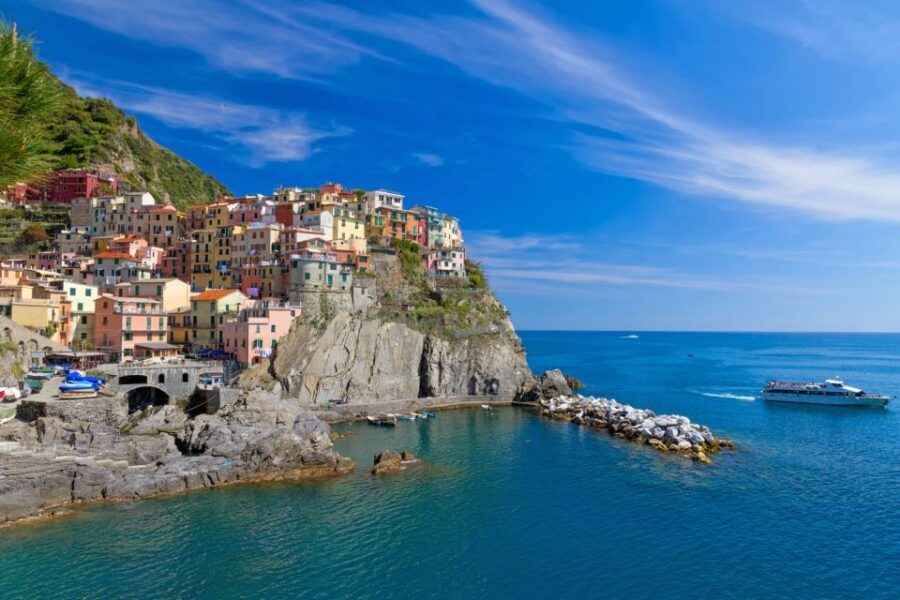
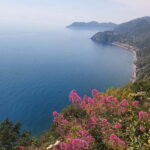
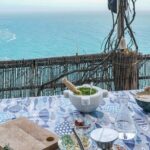
Manarola is one of those places where the village itself feels like part of the story. You’re not in a kitchen studio off the beaten path; you’re in the real Cinque Terre setting, meeting your host near the center of town and working at a local food space.
What I like most is that the class doesn’t treat pesto as a generic “Italian sauce.” It treats it as a Ligurian thing: what’s in the sauce, how you handle it, and how it evolved. The teaching style is practical. You’ll get enough context to understand what you’re doing, but you won’t be stuck through a long lecture before touching ingredients.
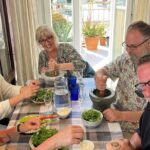
And if you’re traveling with someone who isn’t a cooking person, this format can still work. The session tends to be sociable and relaxed, with pacing that lets you keep up without feeling rushed. Even better, the small size means there’s room for questions, and if the class is very small, it can feel almost like a private lesson.
Possible downside to flag early: because it’s 1 hour, the class can’t turn into a full lunch experience. You’ll taste pesto, focaccia, and wine, and you’ll go home with a recipe, but you may still want a proper dinner after.
If you're still narrowing it down, here are other tours in Cinque Terre we've reviewed.
The Marble Mortar Lesson: What You’re Really Learning
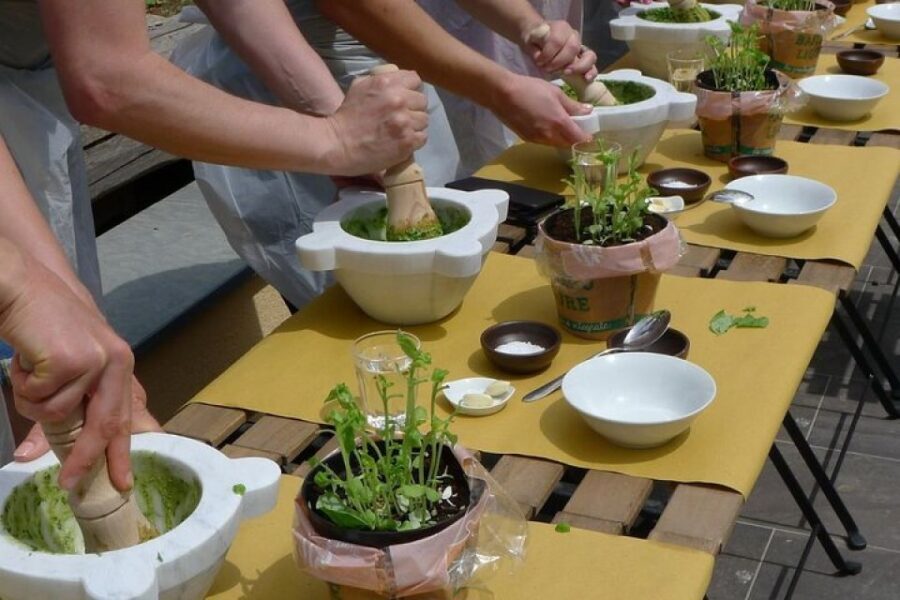
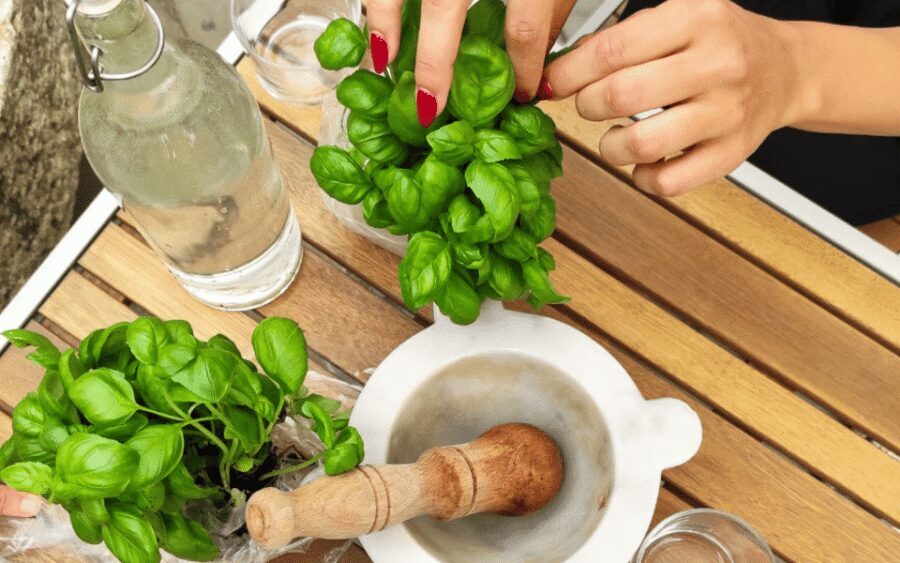
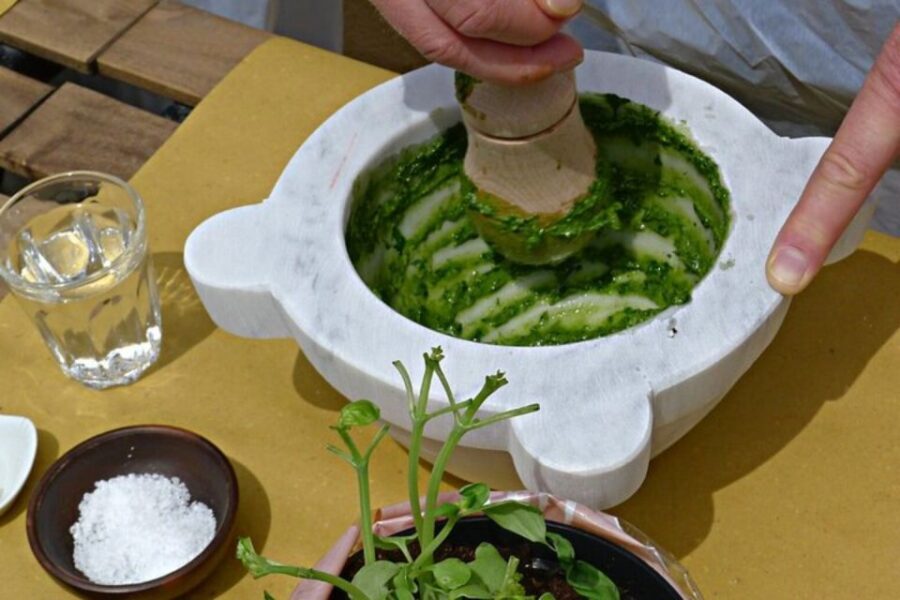
The heart of this experience is the traditional method for making Ligurian pesto. Instead of blending until smooth and calling it done, you’ll use a marble mortar and learn how the texture changes as you work.
That mortar detail matters more than it sounds. When you grind and combine by hand, you control how the basil is broken down and how the sauce emulsifies with the other ingredients. You get a feel for it. It’s also more than tradition for tradition’s sake. The instructor explains the logic behind the ingredients and technique, so you’re not just copying a sequence. You’re learning how to recreate the result.
You’ll use fresh ingredients, including basil and pine nuts. Those two show up for a reason: basil gives the signature fragrance and bright flavor, while pine nuts bring a mellow, slightly sweet richness. The class also includes the kinds of “ingredient stories” that help you remember what to choose later when you’re shopping at home.
I especially like that the instruction isn’t only about taste. It’s about quality control. You’ll hear tips aimed at making better pesto the next time you cook: what to watch for in the ingredients, how to work at a comfortable pace, and how to get a sauce texture you’ll actually want to eat.
What Happens During the Class (And Why the Pacing Works)
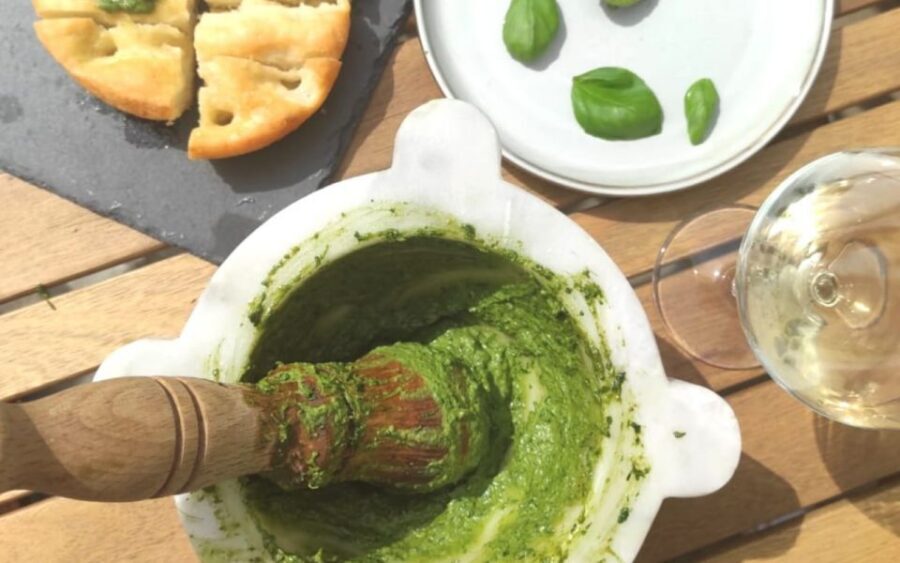
You’re in and out in about an hour, which is perfect for Cinque Terre. You get just enough time to learn the method, make the sauce, and sit down to taste it. That pace keeps things from dragging, especially during the warmer months.
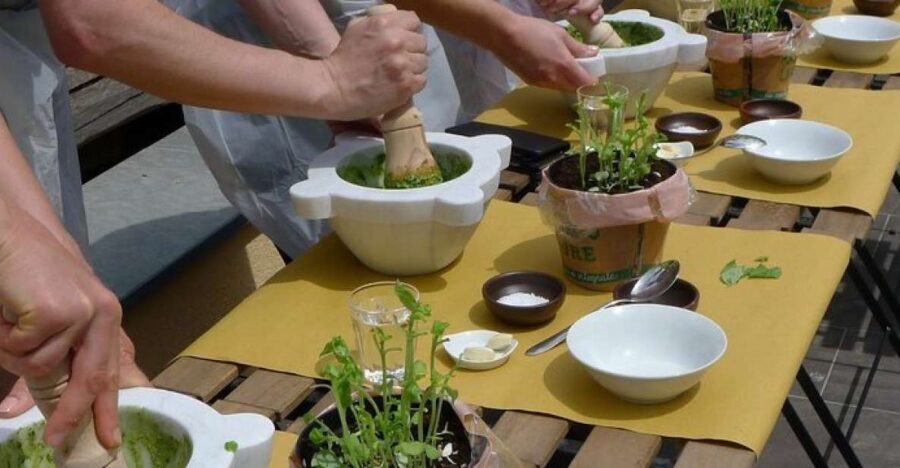
A typical flow looks like this:
- Meet your host and get context: You start with an explanation of pesto’s traditions and what makes Ligurian pesto its own category.
- Hands-on prep: You move from talking to doing, working with fresh ingredients.
- Traditional technique in action: You grind and combine in the marble mortar while learning how the process affects the sauce.
- Taste what you made: The session ends with you enjoying your pesto right there with the included accompaniments.
Because it’s small-group and not a factory line, you can ask questions while you work. In classes where there are only a couple of participants, the interaction can become more personalized, which makes it easier to correct technique in real time.
If you’re hoping to leave with a perfectly repeatable sauce and the confidence to fix mistakes, this pacing is a real advantage. You don’t just watch someone else cook; you do it, then taste it while the process is still fresh in your mind.
The Tasting Table: Focaccia, Wine, and Pesto That Ends the Lesson
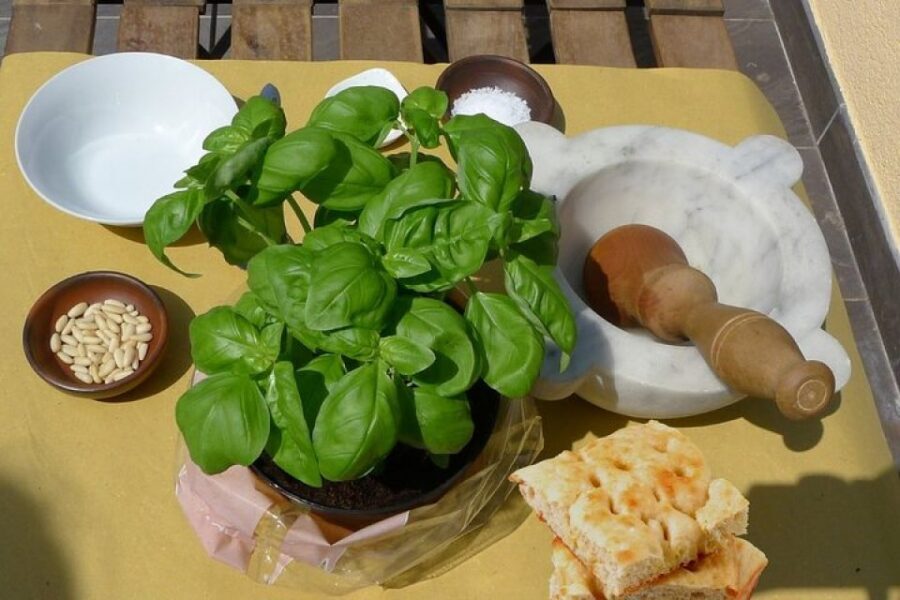
This is where the class earns its keep. You’re not making pesto as a homework assignment and eating nothing to show for it. You’ll taste what you made, and the included pairings are the kind locals actually use to enjoy this sauce.
You’ll get:
- Pesto tasting (your own batch)
- Focaccia tasting, described as freshly baked Ligurian-style
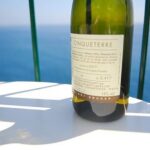
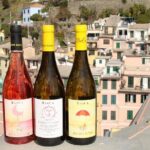
- Wine tasting with a local pour
The pairing logic is simple and satisfying. Fresh focaccia acts like a sponge for pesto flavors, so even if you’re not serving pasta at home that night, you still get the full impact of the sauce. The wine tasting gives you a local counterpoint to the herbs and nuttiness in the pesto.
One note for your expectations: the included foods are tastings, not a complete sit-down meal. If you want pesto pasta as the main event, you may end up looking for it later on your own. The upside is that you’re not stuck for hours. You finish, eat lightly here, and still have energy for the rest of the day.
Meeting Point in Manarola: Church Square to Laboratorio A Pié de Campu
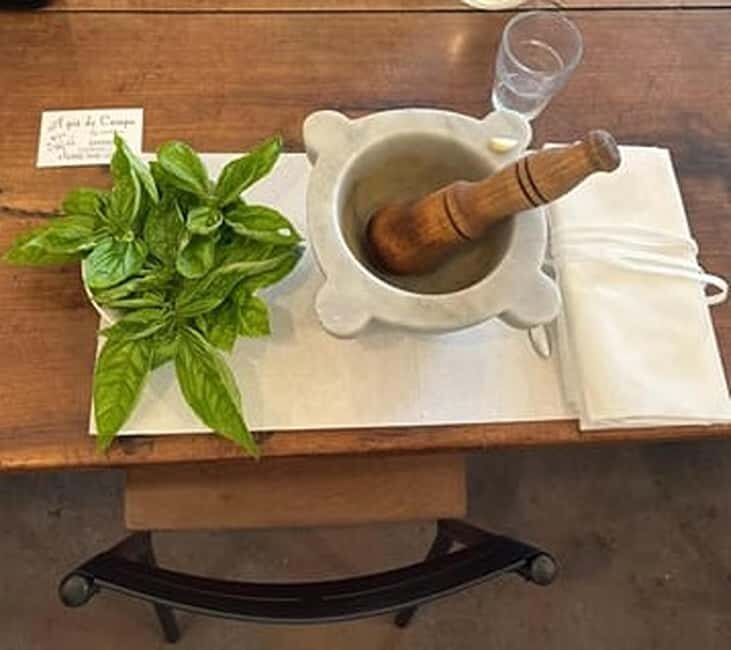
Getting there is half the success. The meeting point is easy to miss if you’re rushing through Manarola, so use the direction on arrival.
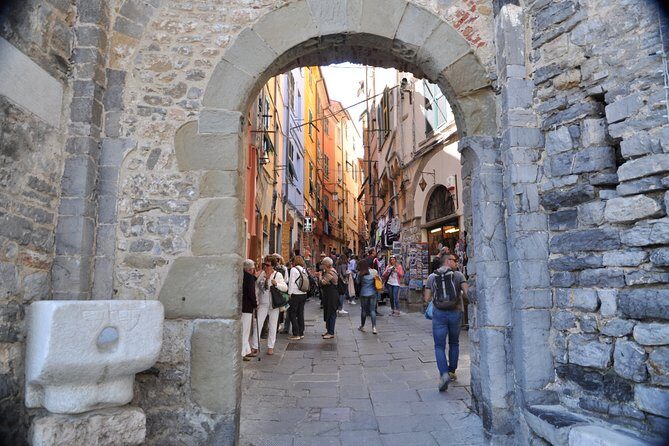
From Manarola’s church square, take the street on the side of the river that goes toward the parking lot. When you reach the third bridge, look for Laboratorio A Pié de Campu.
This route is practical because you’ll be walking through the river-side lanes where it’s easy to keep your orientation. It also means you’re not dealing with complicated “meet at gate X” instructions.
If you’re wondering what to do with time before class starts: give yourself a little buffer to find the place calmly. Cinque Terre can be slower than you think, mostly because you’ll want to look up at the views and you’ll probably pause to take photos.
Other pesto cooking classes we've reviewed in Cinque Terre & the Ligurian coast
Price and Value: Is $98 Fair for a 1-Hour Class?
At $98 per person for a 1-hour experience, the value is all about what’s included and how much you actually learn.
You get:
- Hands-on pesto making
- Pesto tasting (made by you)
- Wine tasting
- Focaccia tasting
- A recipe to take home
That combination changes how you should think about price. You’re not only paying for ingredients and a kitchen. You’re paying for:
- A local host who teaches technique and ingredients
- A traditional setup (including the marble mortar)
- The ability to eat what you make right away
- A take-home recipe that helps you reproduce the flavor later
Where cost can feel tough is if you wanted a longer meal experience or a busier “tour with sights.” This is a food class with tastings. If that matches your style, the price feels reasonable. If you’re chasing a half-day itinerary, you might feel like you blinked and it was over.
Also keep in mind the format is limited to 10 participants. Smaller group classes usually cost more, but they also tend to deliver better attention and less standing around. If you like learning by doing, that cap is part of the value.
Who This Pesto Class Suits Best (And Who Should Rethink It)
I’d point you toward this class if you want:
- A hands-on cooking lesson in a real local setting
- A traditional method using a mortar
- A short activity that fits Cinque Terre pacing
- Included tastings (focaccia and wine) alongside the lesson
- A recipe you can use after you return home
It’s also a good fit if you like food that has a clear identity. Ligurian pesto isn’t just “pesto.” The class aims to explain why it tastes the way it does, which makes it more memorable than copying a generic sauce.
You might want to rethink it if:
- You’re expecting a full lunch or dinner built around pesto pasta
- You don’t want any lesson component and would rather only snack in the village
- You need very specific dietary accommodation and haven’t planned ahead (send dietary restrictions in advance)
Practical Tips That Make the Class Go Smooth
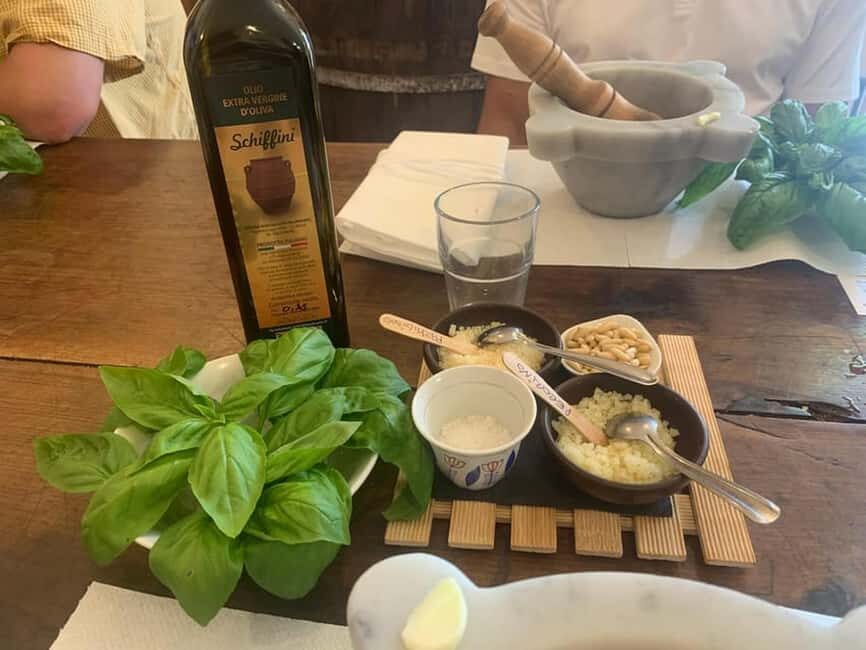
A few small choices can help you get more out of the hour.
- Send dietary restrictions early. The instruction is to communicate restrictions in advance, and it’s the best way to avoid awkward surprises.
- Arrive a few minutes early. Manarola is easy to slow down in. Finding Laboratorio A Pié de Campu should be simple, but don’t cut it close.
- Bring curiosity, not perfectionism. The lesson is about technique you can repeat. If your first pass isn’t museum-grade, you’ll still leave with the right method.
- Plan dinner afterward. You’ll taste focaccia, pesto, and wine, but it’s not positioned as a full meal.
Should You Book This Manarola Pesto Making Class?
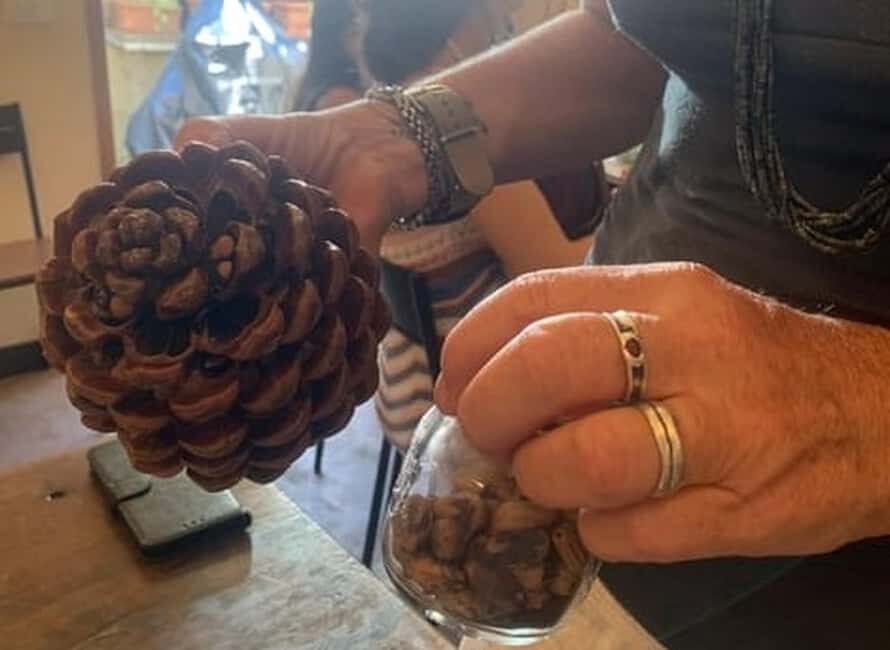
Yes, if you want a short, authentic cooking experience in the heart of Manarola—one that teaches technique you can actually repeat at home, not just an “activity” you tick off. The marble mortar method, the Ligurian ingredient focus (basil and pine nuts), and the fact that you eat the pesto you made are the big reasons this class works.
Skip it only if you’re mainly after a long sit-down meal or a sightseeing-heavy tour. For a practical hour in Cinque Terre that leaves you with both knowledge and a take-home recipe, this one is an easy yes.
FAQ
How long is the Manarola pesto making class?
The class runs for 1 hour.
Where do I meet the host in Manarola?
Meet from Manarola’s church square. Walk along the street on the side of the river toward the parking lot. At the third bridge, you’ll find Laboratorio A Pié de Campu.
Is transportation included?
No. Transfer is not included.
How big is the group?
It’s a small group, limited to 10 participants.
What languages are spoken during the class?
English and Italian.
What’s included in the price?
Hands-on pesto making class, pesto tasting, wine tasting, focaccia tasting, and a recipe to take home.
Can I cancel for a refund?
You can cancel up to 24 hours in advance for a full refund.
Do I need to tell them about dietary restrictions?
Yes. You should communicate dietary restrictions in advance.
Should You Book This Manarola Pesto Making Class?
If you enjoy cooking, food stories, and eating what you make, book it. The short 1-hour format fits Cinque Terre well, and the included tastings plus take-home recipe make the $98 feel like more than just a lesson. If you’re expecting pasta-for-lunch amounts, plan to eat again after.