REVIEW · MONTEROSSO AL MARE
Snorkelling & Marine Biology Experience in the Cinque Terre
Book on GetYourGuide →Operated by Outdoor Portofino · Bookable on GetYourGuide
Fish first, science second.
In Cinque Terre’s Marine Protected Area, you’ll snorkel above Posidonia meadows and learn what you’re actually looking at, not just where to point your mask. I like that the whole outing feels hands-on, with a small group size and a guide focused on responsible sea time.
Two things I also really like: you spend real moments swimming alongside sea life (not hovering and rushing), and you take part in the conservation angle by helping gather crucial data for the marine ecosystem. One possible drawback to plan for: Bagni Fegina can be tricky to find when the area is busy, and one group had trouble because their directions/pin didn’t match the exact spot.
In This Review
- Quick highlights
- Why Cinque Terre eco-snorkeling feels different from a standard sea tour
- The Posidonia meadow stop: the main event under the water
- Who you’ll swim with: fish you can actually name
- The 1.5-hour flow: what to expect from start to finish
- What “citizen science” actually means here
- Gear you get, and what you should pack
- Meeting at Bagni Fegina in Monterosso: the practical how-to
- Price and value: is $64 worth 1.5 hours?
- The main considerations before you go
- Should you book this eco-snorkeling in the Cinque Terre Marine Protected Area?
- FAQ
- Where is the meeting point for this experience?
- How long does the snorkeling experience last?
- What gear is included in the tour price?
- What languages are the live guides?
- Is this tour suitable for beginners?
- How big is the group?
- What marine area will we snorkel in?
- What kind of marine life might I see?
- What should I bring since it’s not included?
Quick highlights
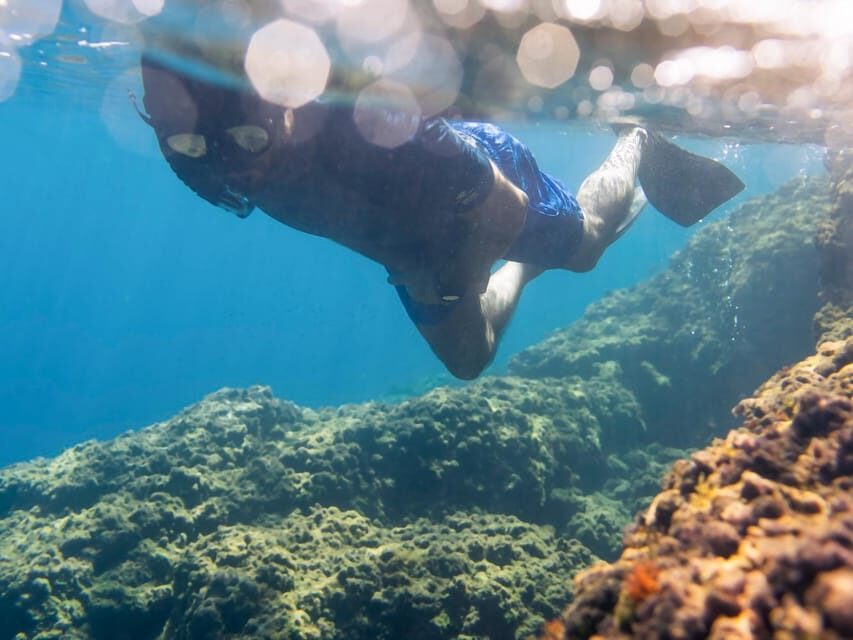
- Swim over Posidonia meadows in the Cinque Terre Marine Protected Area
- See a mix of fish and bottom life like bream, sea bass, moray eels, starfish, sponges, and mollusks
- Citizen-science support: you help collect verified data for conservation efforts
- Local guide with a responsible approach and practical safety guidance
- Small group (up to 8) keeps the experience calmer and more personal
Why Cinque Terre eco-snorkeling feels different from a standard sea tour
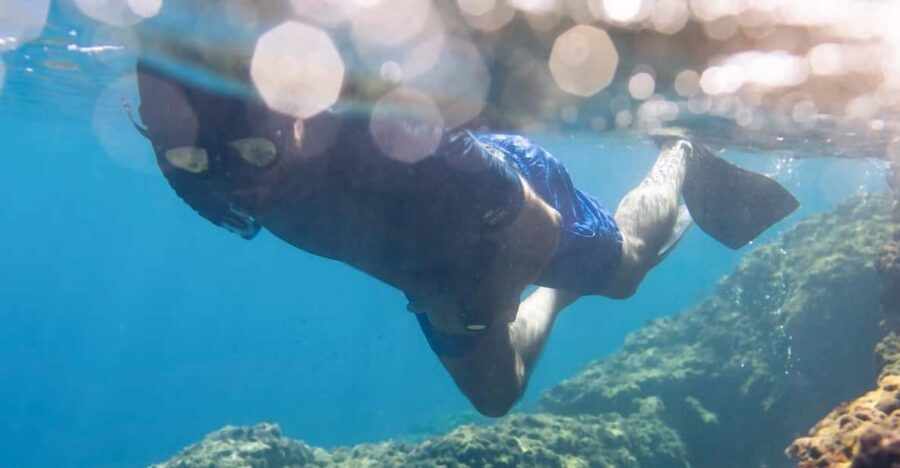
Cinque Terre is popular above water, but the real magic is what happens just below the surface. This experience is built around respect for the marine protected zone, so the vibe is more “learn and observe carefully” than “race to the prettiest photo.”
I like that the tour doesn’t treat snorkeling as a one-note activity. You’re guided through what makes this place special, and you’re also asked to contribute to the conservation side by helping gather data. That turns your 1.5 hours in the water into something more meaningful than ticking off fish on a checklist.
And it’s not only for experts. The format is designed for beginners and experienced swimmers, as long as you fit the age and fitness rules. If you can handle a wetsuit, float calmly, and swim with confidence, you’re in the right range.
Other snorkeling tours we've reviewed in Cinque Terre & the Ligurian coast
The Posidonia meadow stop: the main event under the water
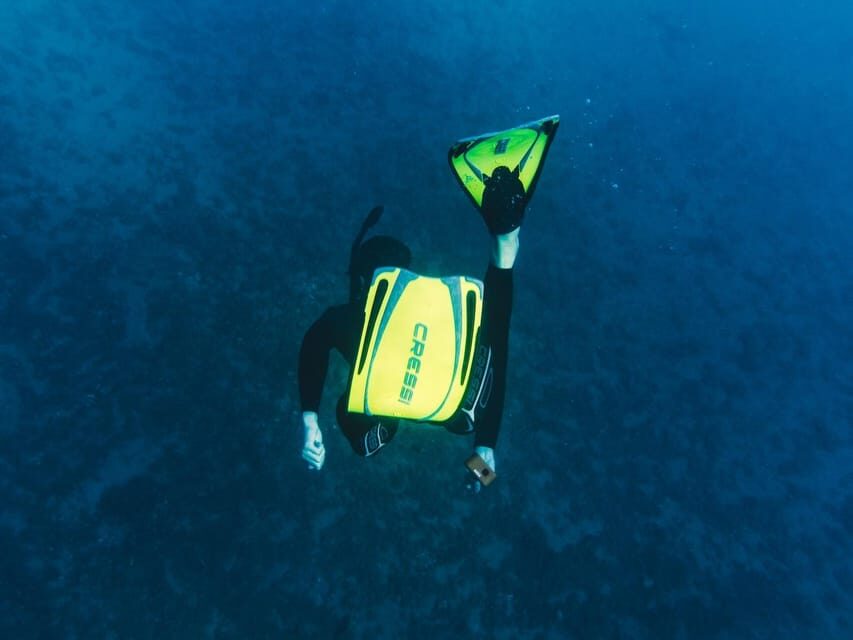
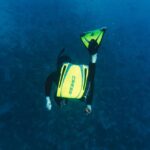
The big underwater theme here is Posidonia meadows. You’ll swim above one of the most extensive meadows in the area, and the guide frames why that matters: Posidonia is a vital ecosystem for marine biodiversity.
Practically, what that means for you is habitat structure. Meadows create places for sea life to shelter and feed, so you’re more likely to see bottom-dwelling animals and fish that use the area. Instead of a flat “see-through water” moment, it feels like you’re moving through an underwater neighborhood.
The tour also includes time near a reef, and together the meadow + reef environment supports an impressive mix of creatures. The kinds of life you should be prepared to look for include octopuses, starfish, sponges, and mollusks. You might spot smaller residents too, but the point is this: you’re not just watching fish swim past. You’re reading an ecosystem.
Who you’ll swim with: fish you can actually name
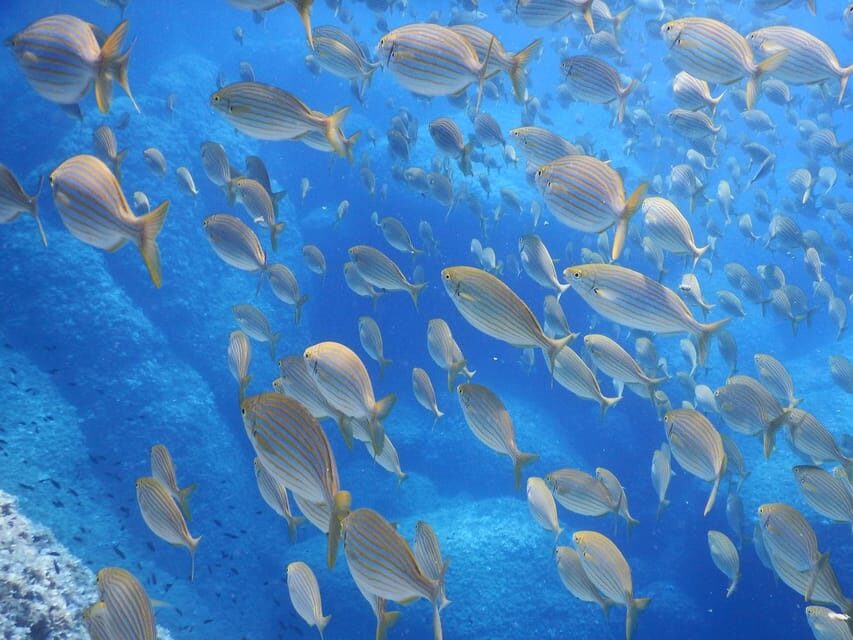
If you’ve ever snorkeled and thought, Great… fish. Then you’ll like this. The guide’s job is to point out what you’re seeing and help you connect names to bodies—so you can enjoy the moment with a bit more understanding.
Based on the experience description, you’ll likely encounter fish such as:
- Bream and sea bass
- Moray eels
- Wrasses (and other fish in the same zone)
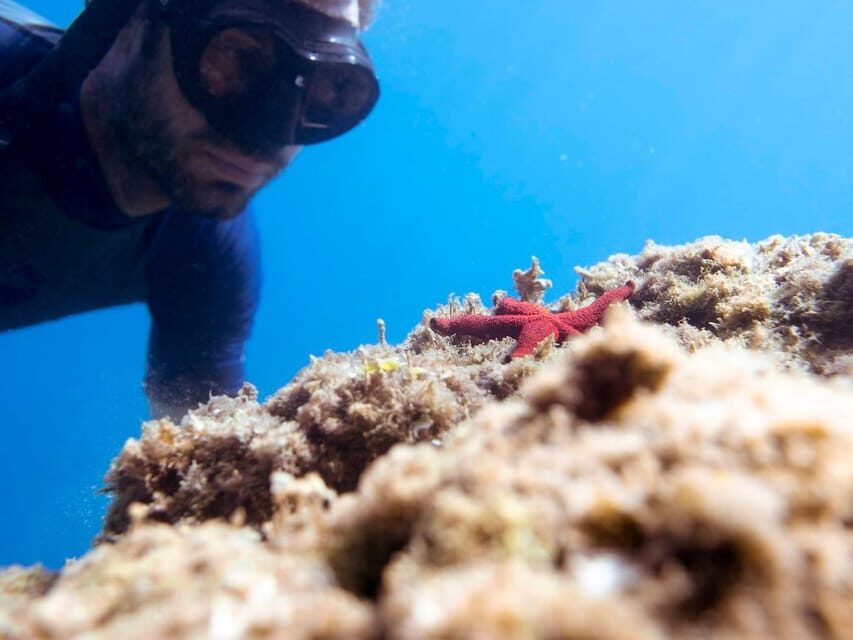
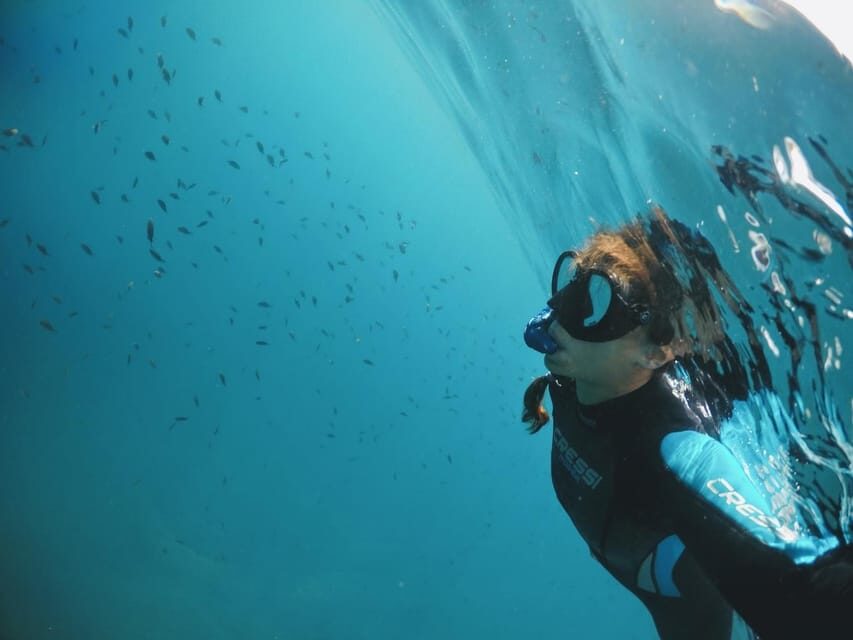
You’ll also see bottom life around the meadow and reef areas. That’s where animals like starfish, sponges, and mollusks show up. If you keep your movements slow and your fin kicks controlled, you’ll give yourself the best chance of seeing these creatures without startling them or kicking up sand.
For me, the value is in the pacing. This is “stay curious, stay calm” snorkeling. The guide helps you look longer instead of rushing through the water time like a checklist.
The 1.5-hour flow: what to expect from start to finish
The total experience time is 1.5 hours, and the goal is to keep it efficient without feeling frantic. You’ll meet, get geared up, then head into the water with your guide staying close enough that you’re not left guessing.
Because the group is limited to 8 participants, you’re more likely to get personal attention. That matters for comfort, especially if you’re a first-timer. A small group also helps the guide manage spacing—so everyone can observe responsibly and avoid accidentally crowding marine life.
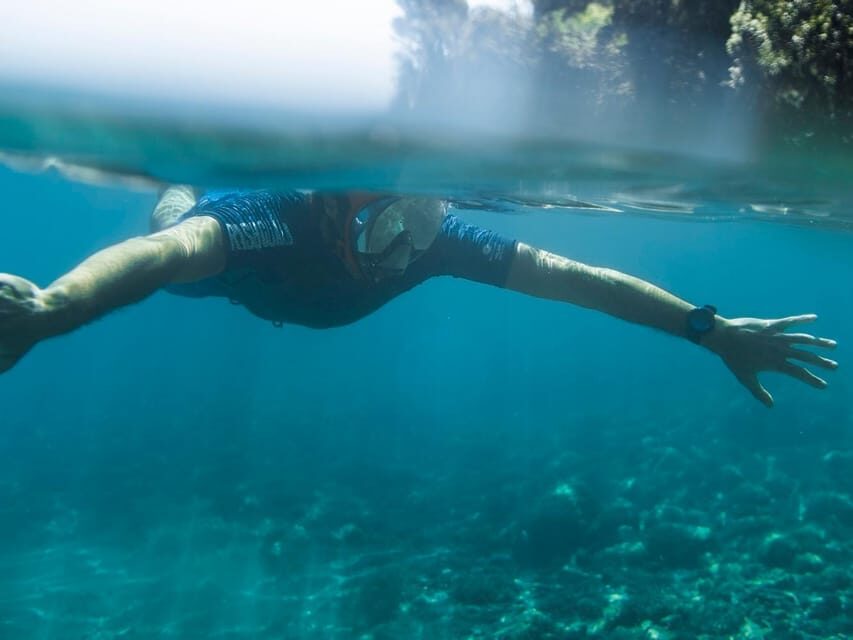
Once you’re in the water, your time is structured around the key ecosystem areas: the Posidonia meadow and the nearby reef zone. The guide also builds in education along the way, so you’ll be learning underwater facts while you’re still moving through the habitat.
You won’t be in the water for an all-day commitment. This makes it a good fit if you want something active that still leaves time for Cinque Terre’s walking routes, viewpoints, and gelato runs afterward.
What “citizen science” actually means here
The conservation part isn’t just a slogan. The experience is designed so you help gather crucial data for conservation of the marine ecosystem. Guides also promote participation in citizen science and use sustainable practices.
There’s a bigger framework behind the scenes too. The activities connect to CROPS, a European Union–funded citizen-science project across Europe (Curating, Replicating, Orchestrating, and Propagating Citizen Science across Europe). The key practical takeaway: your participation supports a system that aims to verify and use the information to benefit the marine area and the well-being of the ecosystem.
You should expect guidance from the crew on how to behave during the water time so your actions support data collection and not disturb the environment. You’re not doing lab work. You’re contributing through careful snorkeling behavior and guided tasks tied to the program’s conservation goals.
If you care about where your tourism dollars go, this is one of the more direct ways to feel connected to the protection side, without needing special credentials.
Gear you get, and what you should pack
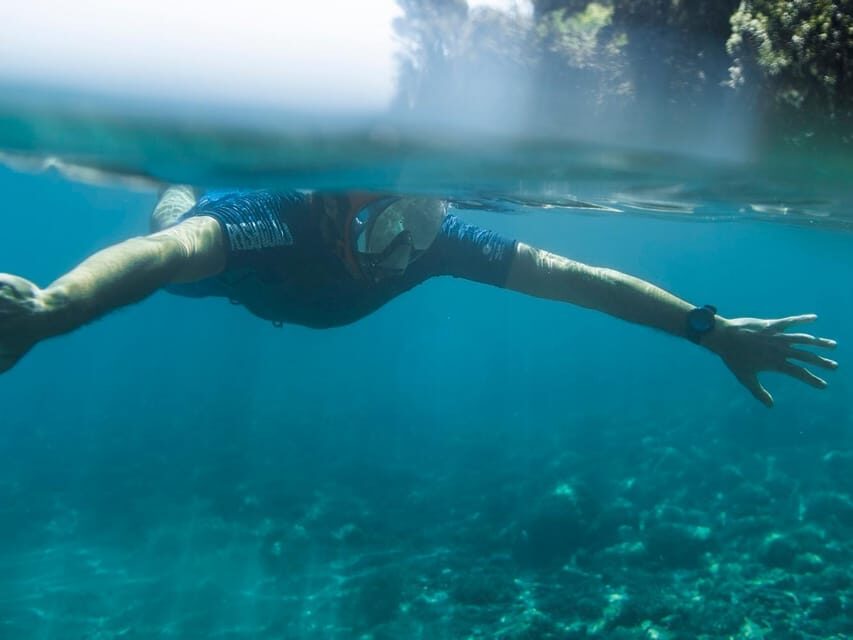
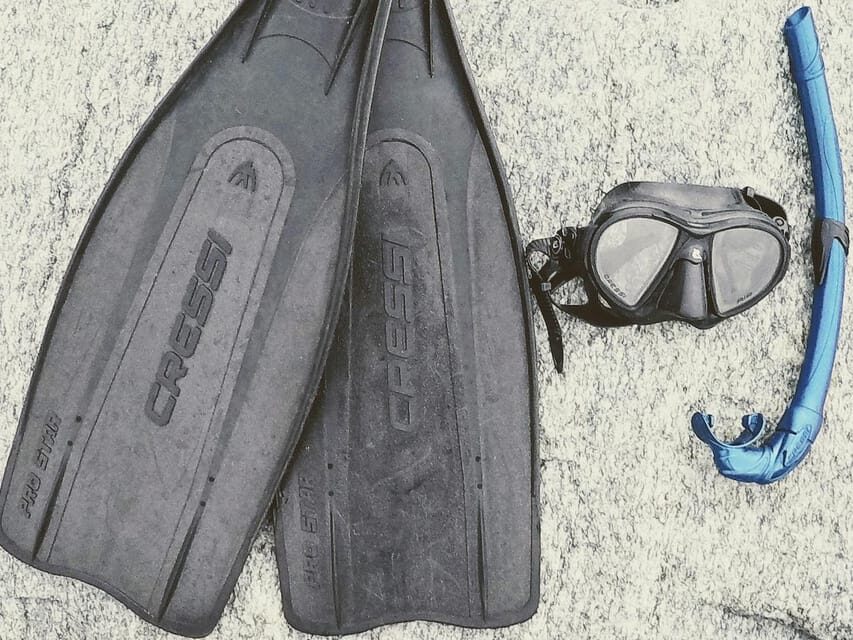
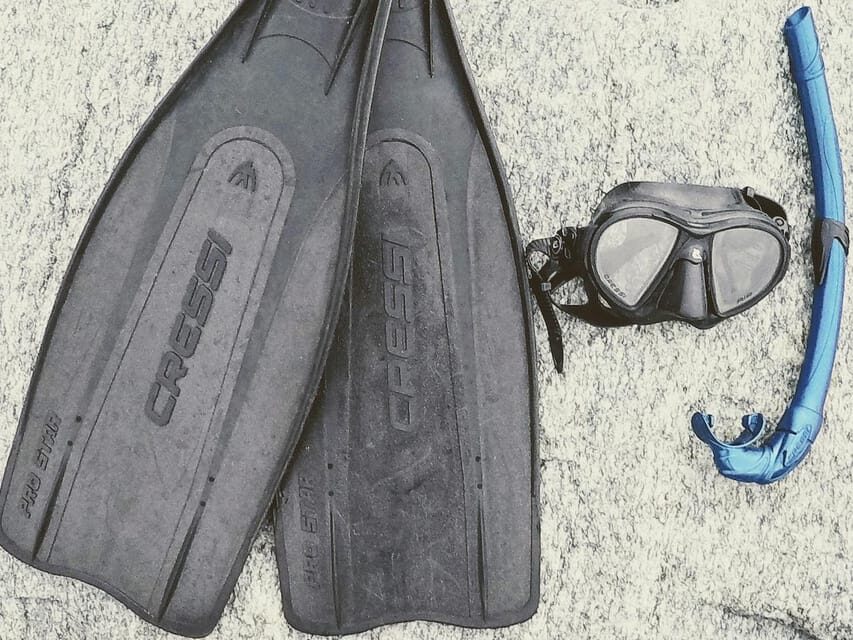
Good news: most of the gear is included. You’ll get:
- guide
- mask
- snorkel
- wetsuit
- fins
That means you can travel lighter and avoid hunting for rental equipment in Cinque Terre before you reach Monterosso.
What’s not included is equally important because it affects comfort:
- bathing suit
- beach towel
- sunscreen
- water bottle
- sun glasses
Bring your own bathing suit and towel so you’re not stuck drying off in a panic. Sunscreen matters too, especially since you’ll be outside before and after water time. If you wear glasses, bring sun-safe options that work around water time.
Meeting at Bagni Fegina in Monterosso: the practical how-to
You’ll meet at Bagni Fegina in Monterosso. The area is crowded through the year and parking is limited, so the easiest approach is the train.
From Monterosso al Mare station, leave the station and turn right. Walk about 250 meters keeping the sea on your left. You’re looking for Bagni Fegina on your left, located on the last equipped beach on the promenade after the car park and the soccer field.
One real-world tip: arrive early enough to handle confusion without stress. One group had location trouble because the mapped location didn’t line up with what they found on the ground. The fix is simple: give yourself extra time, follow the sea-left walking direction, and don’t rely on last-second guesswork.
Price and value: is $64 worth 1.5 hours?
At $64 per person for 1.5 hours, the value comes from three things that are hard to fake:
1) a local guide leading the experience in a marine protected context,
2) included equipment (mask, snorkel, wetsuit, fins), and
3) the conservation data/citizen-science component, which turns the activity into something more purposeful.
If you’ve done basic snorkeling elsewhere, you know the comparison: sometimes you pay for gear and a short swim with little context. Here, the structure is educational plus conservation-focused, with the guide helping you identify what you’re seeing and encouraging responsible behavior.
Also, small group size matters. Paying a bit more often buys you calmer pacing and better supervision in the water, which is a big deal when you’re working around fragile habitats like Posidonia.
The main considerations before you go
This tour is a great match if you want a structured snorkeling experience with education and conservation value. It’s not the right fit if you want a casual “free swim whenever I feel like it.”
Check the limits:
- Not suitable for non-swimmers
- Not suitable for children under 10
- Not suitable for wheelchair users
- Not suitable for people over 80
Age and comfort are the big filters. If you’re borderline on swimming comfort, go carefully with your decision—your guide can’t change the fact that you’ll be in open-water conditions.
Also keep in mind that the meeting area can be busy. Plan for crowds at Bagni Fegina and build in buffer time, especially if you’ll be using your phone for directions.
Should you book this eco-snorkeling in the Cinque Terre Marine Protected Area?
I’d book it if you want snorkeling with a mission and a guide who helps you understand what you’re seeing. The best reason is the combination: Posidonia meadow habitat, a reasonable time commitment, and the conservation/citizen-science angle where you actively contribute rather than just watch.
I’d skip it (or choose something else) if you don’t feel confident as a swimmer, if age or mobility limits you, or if you prefer a totally self-guided beach day. In Cinque Terre, the water time is only one part of the trip, so make sure this is the kind of active experience you actually want that day.
If you decide to go, aim to arrive early, wear comfortable swimwear under your wetsuit plan, and keep your movements slow in the water. That’s how you get the best chance of seeing the creatures the guide is pointing out.
FAQ
Where is the meeting point for this experience?
You meet at Bagni Fegina in Monterosso. The area is on the last equipped beach of the promenade after the car park and the soccer field.
How long does the snorkeling experience last?
The duration is 1.5 hours.
What gear is included in the tour price?
The tour includes a mask, snorkel, wetsuit, and fins, plus a guide.
What languages are the live guides?
The live tour guide speaks Italian and English.
Is this tour suitable for beginners?
Yes. It’s designed for both beginners and experienced swimmers, and the minimum age is 10 and up.
How big is the group?
It’s a small group with a maximum of 8 participants.
What marine area will we snorkel in?
You’ll snorkel in the Cinque Terre Marine Protected Area, including time over Posidonia meadows and a nearby reef.
What kind of marine life might I see?
You may see fish such as bream, sea bass, moray eels, and wrasses, plus creatures like octopuses, starfish, sponges, and mollusks.
What should I bring since it’s not included?
Bring a bathing suit, beach towel, sunscreen, sun glasses, and a water bottle.